
How many kings have there been in the United Kingdom? We also explain in detail the origins of the United Kingdom, a list of kings, and a profile of the current King Charles III, His Majesty.

Do you know how many kings there have been in the long history of the United Kingdom? In the history of the United Kingdom, there have been many changes of dynasties and kings.
This article provides a detailed description of the successive kings of the United Kingdom and their origins. By reading this article, you will gain knowledge about the history of the Kings of England.
If you are interested in British history and the King, please check out this article.
- 1 How many kings of England have there been?
- 2 Origin of the United Kingdom
- 3 List of Kings of the United Kingdom
- 4 Profile of His Majesty King Charles III, the current King
- 5 How long have successive kings been on the throne?
- 6 Who was the king before the establishment of the Kingdom of Great Britain?
- 7 England has changed dynasties several times in its long history.
- 8 To learn more about the British Royal Family, please visit
How many kings of England have there been?
The English royal family is said to have begun in the 11th century. William of Normandy, who originated in France, invaded England and became king as William I.
From then on, England underwent a dizzying change of states and dynasties. Starting with the Norman dynasty, various dynasties came to power, including the Plantagenet and York dynasties.
The main kings of the United Kingdom presented here are those who have existed since the establishment of the Kingdom of Great Britain, which is now the United Kingdom of Great Britain. There have been 13 kings since the establishment of the Kingdom of Great Britain.
Origin of the United Kingdom
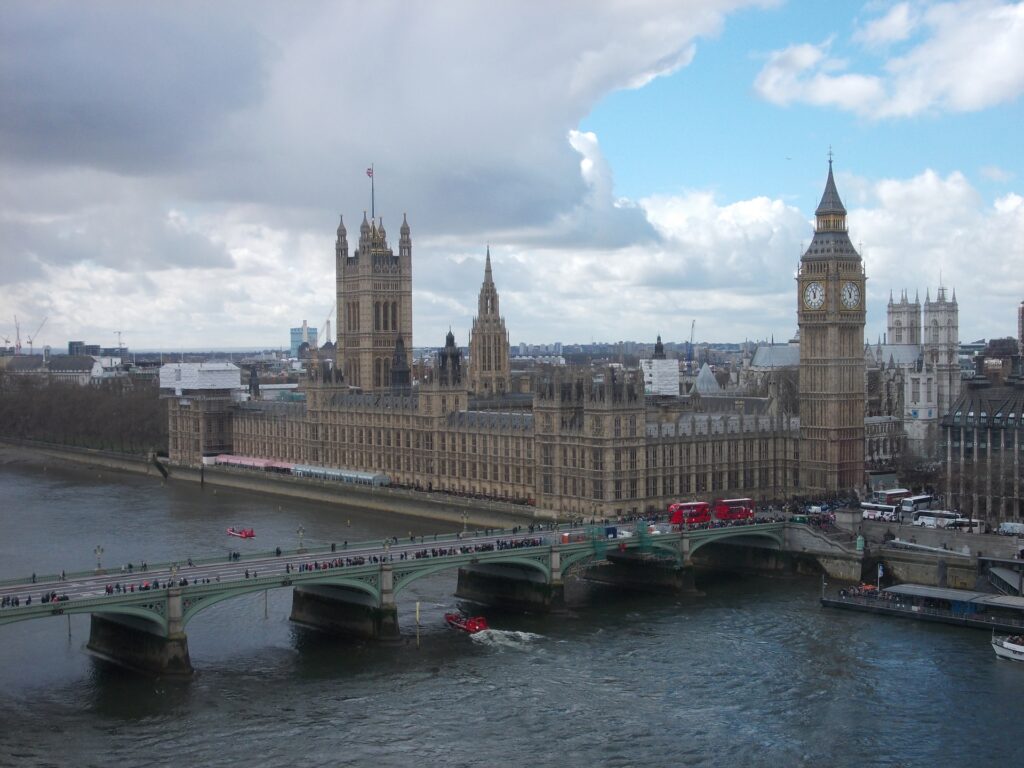
The Kingdom of Great Britain originally had four kingdoms. They are the Kingdom of England, the Duchy of Wales, Northern Ireland, and Scotland.
The Duchy of Wales was annexed to the Kingdom of England in 1283. At that time, Edward I of the Plantagenet dynasty was king of England.
In 1541, Henry VIII of the Tudor dynasty became concurrently king of the Kingdom of Ireland. However, the Kingdom of Ireland was not annexed.
In 1603, James VI, King of Scotland, ascended the throne as King James I of England.
In 1707, Queen Anne of Steuart merged the kingdoms of England and Scotland. From here, the history of the Kingdom of Great Britain began.
In 1801, the Kingdom of Great Britain officially merged with the Kingdom of Ireland. However, in 1922, Southern Ireland separated from the United Kingdom and became what is now the United Kingdom.
List of Kings of the United Kingdom
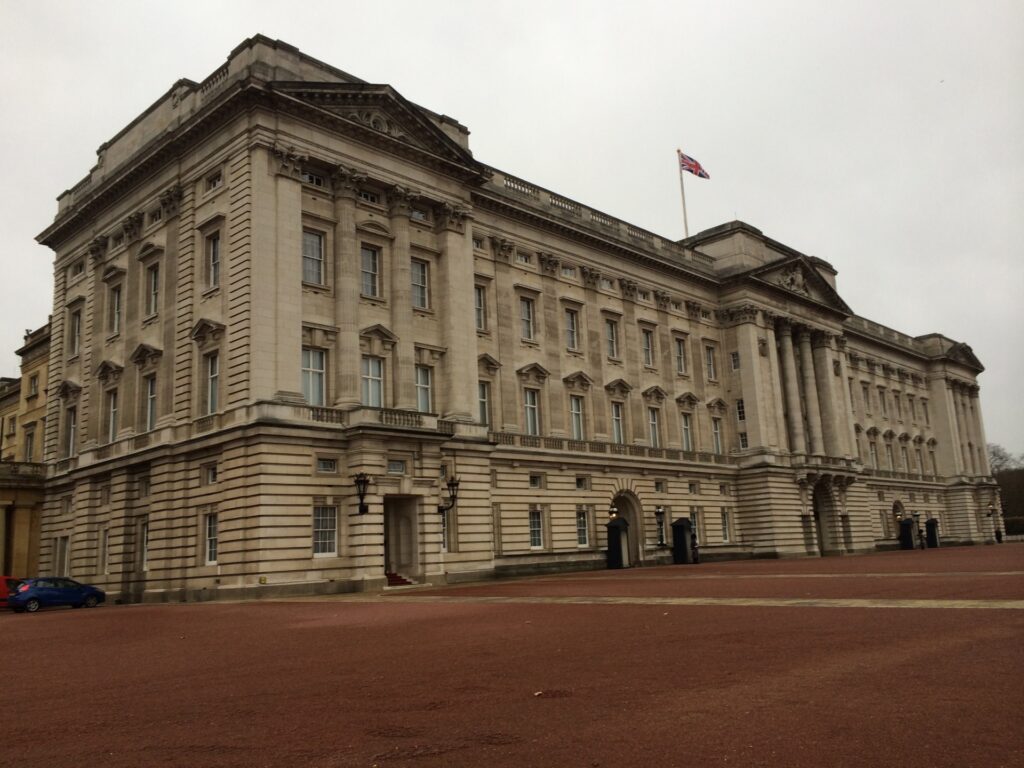
Since the establishment of the Kingdom of Great Britain, 13 kings have ruled the country. The dynasties have also changed during that time.
Here are 12 kings other than the current King of England.
Ann.
Queen Anne was the first Queen of Great Britain. She ascended the throne in 1702 as king of the “Steuart dynasty.
At the time of his accession, the Kingdom of Great Britain had not yet been established; in 1707, the Kingdom of England and the Kingdom of Scotland were joined by an Act of Union to form the Kingdom of Great Britain.
Queen Anne died in 1714, and the Stuart kingship came to an end when the Succession Act of 1701 ruled that Catholics could not become kings.
George I.
After Queen Anne, George I of the “Hanoverian” dynasty ascended the throne. A distant relative of Queen Anne, he ascended the throne in 1714.
Being of German origin, King George I understood little English. Therefore, politics was left to the government.
With this, British politics began to change to a cabinet system of responsibility, with the prime minister holding real power. At that time, Robert Walpole, considered to be the first Prime Minister of the United Kingdom, held the real power in politics.
George I died in 1727 at the age of 67.
George II
George II, son of George I, ascended the throne as King of England in 1727.
During the reign of King George II, the cabinet and parliament held real power, and the king seems to have had little involvement in politics. This led to the establishment of a constitutional monarchy in England.
George II died in 1760.
George III
George III was the grandson of George II. After Frederick Lewis, son of George II, died of illness, his grandson, George III, ascended the throne in 1760.
During the reign of King George III, Great Britain participated in many wars. At that time, Britain had expanded its power and had many colonies, but had to relinquish them in the American Revolutionary War and other wars.
In addition, the Kingdom of Great Britain and Ireland were merged by the Act of Union of 1801 to form the United Kingdom of Great Britain and Ireland.
George III ruled England longer than any previous king, remaining king for almost 60 years until his death in 1820.
George IV
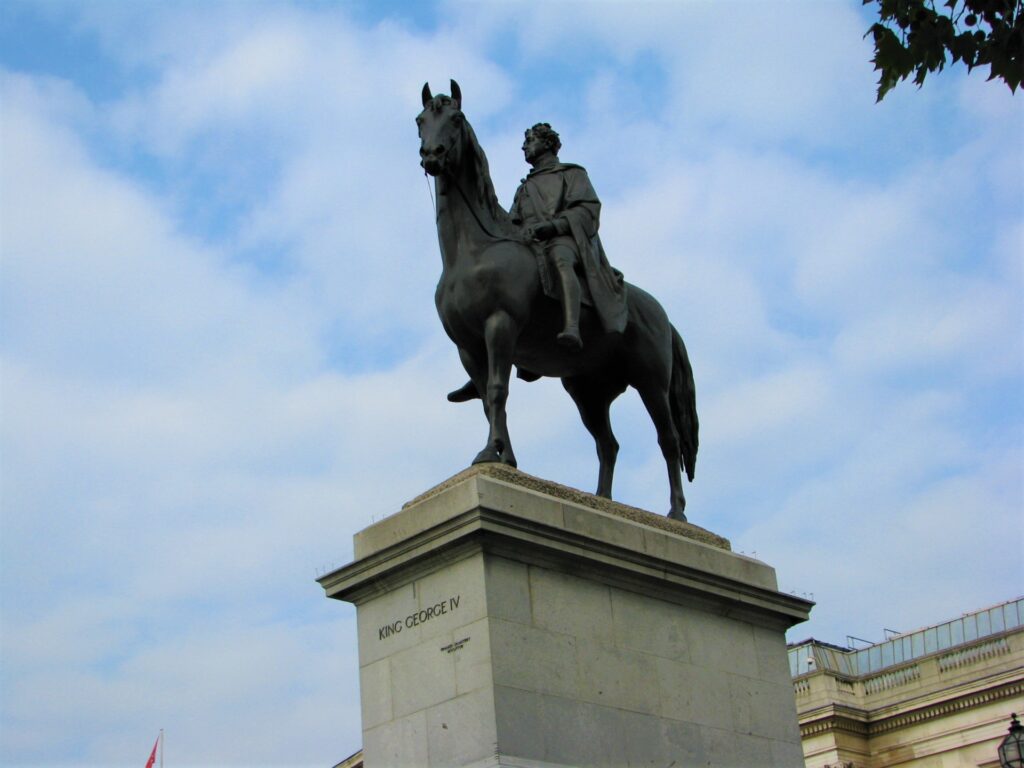
George IV, son of George III, ascended the throne in 1820.
Prior to his accession to the throne, he served as the Dauphin Regent. Since the king at that time was mentally ill and unable to rule, George IV had been in control of the country since he was the Dauphin Regent.
In his later years, George IV was plagued by illness, and his reign as king was short-lived, lasting only ten years when he died in 1830.
William IV.
William IV was the son of King George III. He was born as the third child and ascended the throne in 1830 following the death of his elder brother.
William IV’s reign did not last long, as he was 65 years old at the time of his accession to the throne, and he died of cirrhosis of the liver in 1837.
Victoria
Queen Victoria, the only daughter of the son of King George III and niece of the former King William IV, ascended the throne in 1837.
During Queen Victoria’s reign, Great Britain made great strides in economic, technological, and other areas. She also promoted the colonization of countries around the world and spread British authority throughout the world.
This period of England’s remarkable development is known as the Victorian era. Queen Victoria’s reign lasted approximately 63 years.
Queen Victoria died in 1901. With her death, the Hanoverian dynasty also came to an end.
Edward VII.
Edward VII, son of Queen Victoria, changed the name of his dynasty from his father Albert’s family name to the Saxe-Coburg-Gotha dynasty upon his accession to the throne in 1901.
King Edward VII was active in diplomacy. He concluded the Anglo-Japanese Alliance, the Anglo-French Treaty of Commerce, and the Anglo-Russian Treaty of Commerce, and interacted with other countries in the midst of a series of outbreaks of war.
However, Britain’s domestic politics were in turmoil. The conflict between the Conservative Party and the Liberal Party intensified, and Edward VII was forced to perform his official duties while he was sick from overwork.
As a result of his continued public duties, Edward VII died of bronchitis in 1910. His reign was short, lasting only about nine years.
George V
George V was born as the second prince of King Edward VII. His older brother died of illness, and George V would ascend to the throne in 1910 upon the death of his father.
In the reign of King George V, the country was in the midst of World War I, and relations between Great Britain and Germany were cooling.
Therefore, the name of the dynasty, “Saxe-Coburg-Gotha dynasty,” which was of German origin, was changed to “Windsor dynasty ” after the name of the castle. The Windsor dynasty continues to this day.
Also in 1919, the Irish War of Independence broke out. At the conclusion of the war, the Irish Free State was established and Southern Ireland became independent from Great Britain.
George V suffered from various illnesses and died in 1936.
Edward VIII
Edward VIII was born the eldest son of King George V. He became King of England in 1936 following the death of his father.
At the time of his accession to the throne, Edward VIII was not married, but he sought to have an American woman, Wallis Simpson, as his queen.
However, Mrs. Simpson was married and her divorce was not recognized by the Church of England. Therefore, King Edward VIII faced great opposition from the people.
This led to Edward VIII abdicating as king to marry Mrs. Simpson. His reign would last 325 days, the shortest in history.
George VI
George VI is the son of George V and brother of Edward VIII. He acceded to the throne in 1936 after his brother abdicated.
During the reign of King George VI, World War II broke out. It is said that the King supported his people during the war by being kind to them and sometimes inspiring them.
King George VI, beloved by many of his people, died in 1952.
Elizabeth II

Elizabeth II was born as the first child of former King George VI. Her father’s death in 1952 led to her accession to the throne at the young age of 25.
Elizabeth II’s reign is the longest of all previous British kings. She was on the throne for approximately 63 years, during which time she carried out a variety of official duties, including domestic and foreign affairs.
Even in her old age, Queen Elizabeth II remained active in her official duties. It is said that she was loved and adored by many citizens for her sincerity.
On September 8, 2022, Queen Elizabeth II passed away, and many in the nation bid her farewell.
Profile of His Majesty King Charles III, the current King
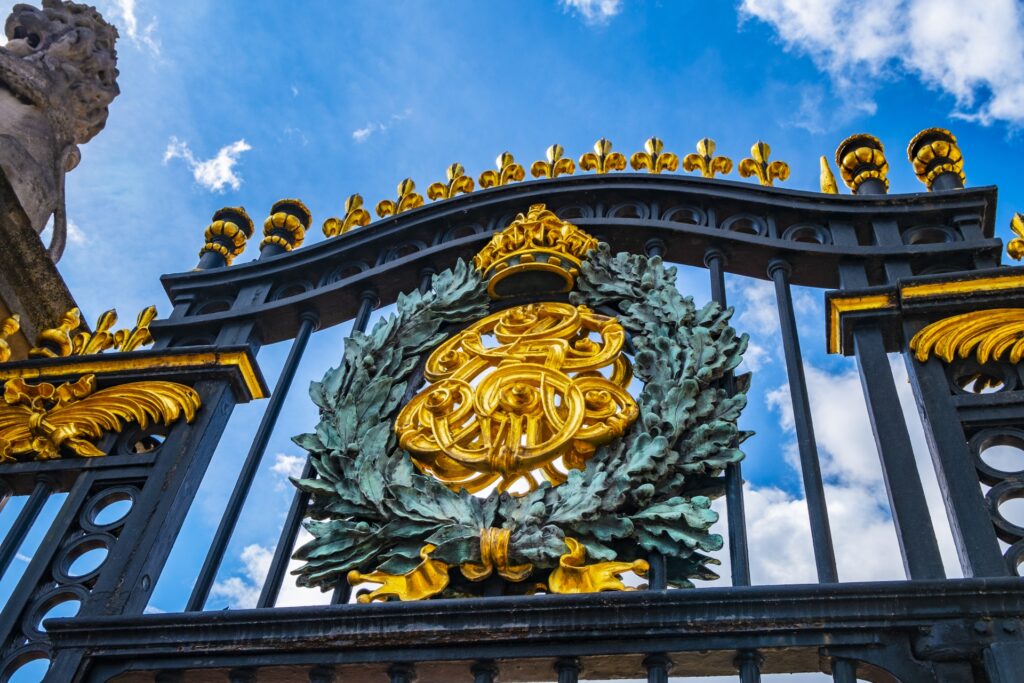
His Majesty King Charles III, the current King of the United Kingdom, was born on November 14, 1948. He is the first child of the former Queen Elizabeth II and King Philip.
Charles III married Princess Diana in 1981 while he was Dauphin, and they had two princes, William and Henry.
However, the marriage did not work out and they divorced in 1993. Princess Diana left the royal family and died in a car accident in 1997.
Later, Charles III remarried his former wife, Camilla. Camilla is now queen and supports the king in his official duties.
On September 8, 2022, Charles III acceded to the throne upon the death of Elizabeth II. He was 73 years old at the time of his accession, making him the oldest of all previous kings.
How long have successive kings been on the throne?
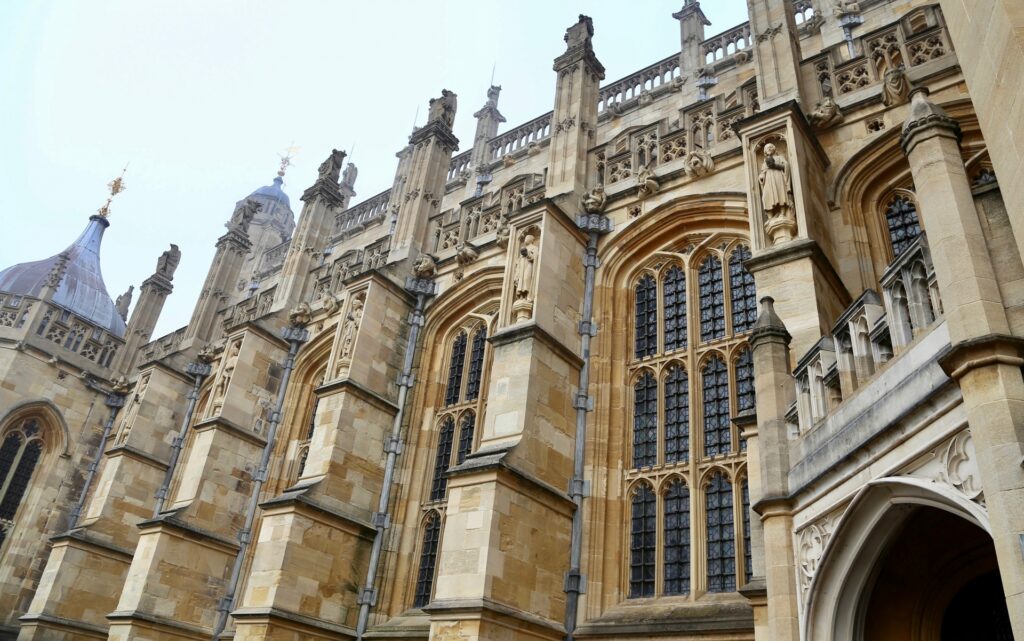
The longest reign of any of the successive kings was that of Elizabeth II, who ruled the Kingdom of England as queen for 70 years and 214 days.
This record is the longest reign in the world. It is the second longest reigning monarch in the world after King Louis XIV of France, who reigned for 72 years and 110 days.
The shortest reign was that of Edward VIII. He abdicated after only 325 days in order to marry a divorced woman.
Who was the king before the establishment of the Kingdom of Great Britain?

Prior to the establishment of the Kingdom of Great Britain, England was ruled by a number of kings, beginning with William I. The history of Great Britain spans approximately 635 years, from 1066 to 1702. The history of Great Britain spans approximately 635 years, from 1066 to 1702.
The last king before the establishment was William III of Orange. He was of Stuart descent and ruled jointly with his wife, Mary II.
However, William III had no children. After the death of William III, Mary II’s sister, Anne, ascended the throne.
England has changed dynasties several times in its long history.

Throughout its long history, the English dynasties have changed many times. The first was the Normandy dynasty, which was followed by the Plantagenet, Lancaster, York, and Tudor dynasties.
It then changed to the Steuart dynasty. Queen Anne of the Steuart dynasty established the Kingdom of Great Britain.
After the fall of Queen Anne, the dynasty changed to the Hanoverian dynasty and then to the Windsor dynasty. The Windsor dynasty has been succeeded by the current king.
To learn more about the British Royal Family, please visit
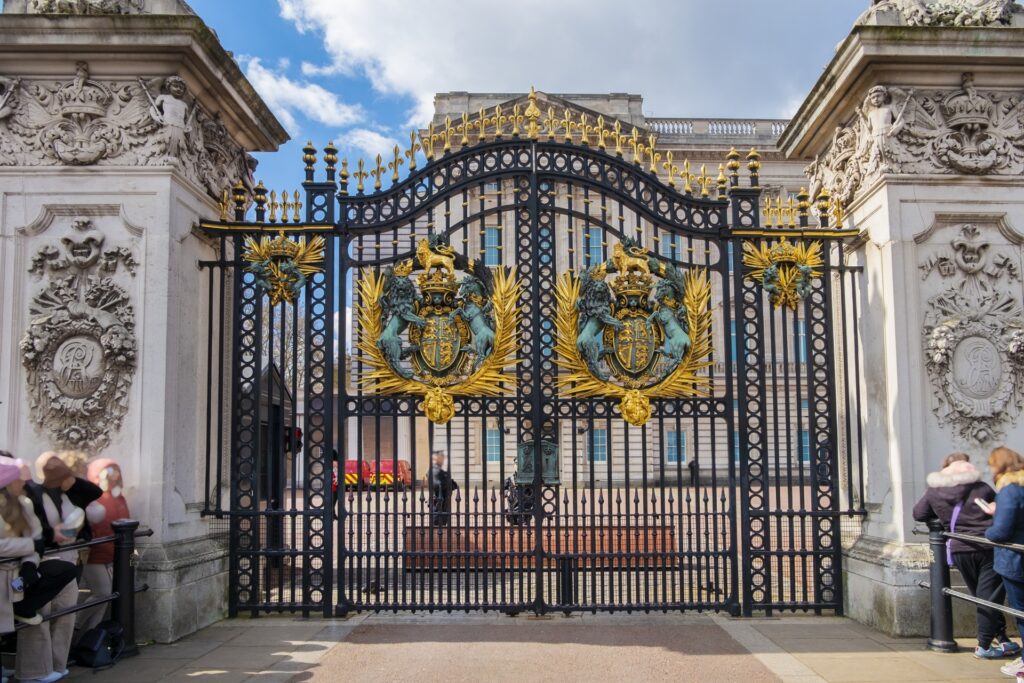
The British Royal Family has undergone many changes throughout its long history. Some of you may be interested in learning more about the royal family as you become familiar with its history.
If you are interested in learning more about the British Royal Family, please take a look at the other articles on this site. You can learn more about the history of the royal family and the members of the royal family.
If you are interested, please check our website for more information.